
How to Live in Indonesia: Practical Guide for Expats
Planning to live in Indonesia? Discover a practical guide to help you get started here!


Living in Indonesia is often seen as easy and enjoyable. Warm weather, friendly locals, a rich variety of food, and an affordable cost of living are usually the main reasons people choose to live in Indonesia.
Because of this, Indonesia has become an increasingly popular destination for expats and digital nomads. Yet deciding to live in Indonesia long term comes with challenges that go beyond first impressions. To truly live in Indonesia comfortably and without unnecessary obstacles, it is essential to understand how local systems and regulations work. Issues such as visas, housing arrangements, and everyday financial matters are often overlooked, even though they play a major role in how smooth expat life can be.
That is why this guide is created to help expats understand everything they need to know before living in Indonesia.
Understanding Visas Before You Live in Indonesia
At its core, a visa is official permission from a country to enter and stay within its borders for specific purposes and durations. Before deciding to live in Indonesia, it helps to have a basic understanding of the visa system. Visa requirements play an important role in determining what activities are permitted during your stay.
Types of Expats in Indonesia
Not all expats in Indonesia live or work under the same conditions. Identifying your situation early will help you choose the right visa. Common types of expats include:
- Working professionals, who are employed by Indonesian or multinational companies.
- Digital nomads, who work remotely for overseas clients or employers.
- Business owners and investors, who run or manage businesses in Indonesia.
- Family dependents, such as spouses or children of permit holders.
- Retirees, who choose Indonesia as a long term place to live without working.
Each category is subject to different visa options and conditions based on the purpose of stay.
Visa Types Based on Purpose of Stay
Once you understand your purpose for living in Indonesia, the next step is becoming familiar with the main immigration terms you will encounter: VITAS, ITAS, and KITAS. These terms are closely connected and form the basic structure of long term residency for foreigners.
- VITAS (Visa Tinggal Terbatas) is a limited stay visa issued before entering Indonesia. It allows foreigners to enter the country for specific purposes such as work, investment, family, study, or retirement.
- After arrival, foreigners with a VITAS must obtain ITAS (Izin Tinggal Terbatas), which is the official limited stay permit that allows them to reside legally in Indonesia for a defined period of time.
- KITAS refers to the residency card or document issued as proof of ITAS status. While ITAS is the permit itself, KITAS represents that permit in physical or digital form. In everyday use, the two terms are often mentioned interchangeably.
Understanding how these elements work together helps you plan your stay more confidently and avoid unnecessary confusion during the immigration process.
The Real Cost of Living in Indonesia
Living in Indonesia as an expat can feel affordable at first glance, especially when compared to major cities abroad. However, once daily life begins, expenses quickly become more nuanced. Housing, transportation, lifestyle choices, and financial management all play a role in shaping the real cost of living. Understanding these everyday costs helps expats plan better and avoid unexpected financial pressure.
Finding the Right Place to Live Within Your Budget
Housing is usually one of the first priorities for expats moving to Indonesia. Rental costs vary by city, neighborhood, and property type. In Jakarta and popular areas of Bali, a one-bedroom apartment or small house generally rents for around IDR 6,000,000 to IDR 18,000,000 per month.
Beyond rent, it’s important to plan for additional costs. Most rentals require an upfront deposit, and monthly utilities such as electricity, water, internet, and building maintenance typically add another IDR 700,000 to IDR 2,000,000. Furnished properties are convenient for a smoother move-in, while unfurnished homes are often better suited for longer-term stays.
Transportation Options for Daily Life
Transportation in Indonesia depends largely on where you live. In Jakarta, public transport has improved significantly and is widely used by expats, with options like MRT, LRT, Commuter Line trains, and TransJakarta buses along major routes. Fares are affordable, usually ranging from IDR 3,000 to IDR 14,000 per trip.
You can also combine public transport with short walks or online ride-hailing services for convenience. Monthly spending on online rides typically falls between IDR 700,000 - IDR 2,000,000, depending on usage. Outside Jakarta, especially in areas like Bali, public transport is limited, so you can rely on online rides, motorbike rentals, or private cars.
Daily Expenses and Lifestyle Choices
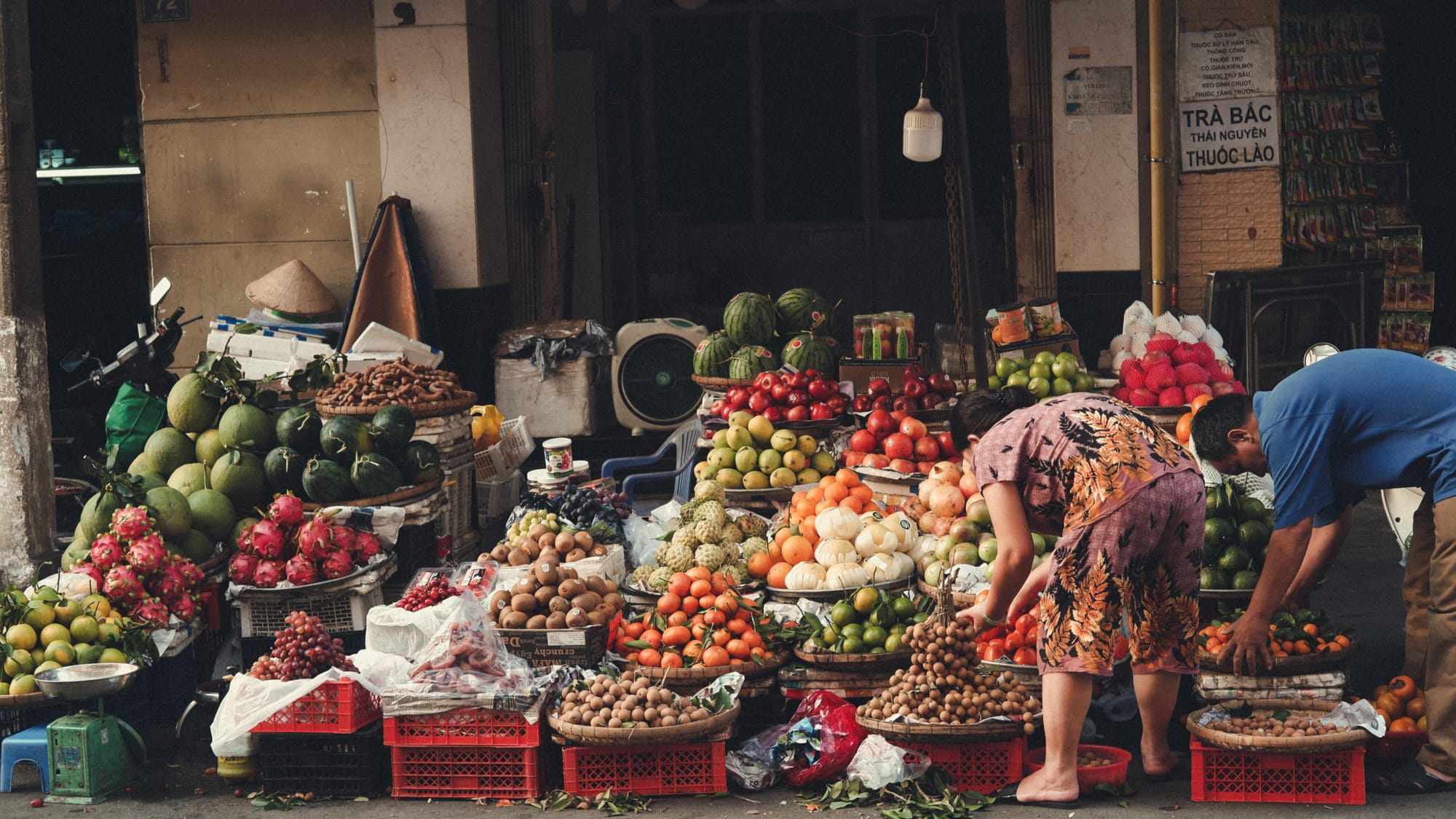
Your daily expenses in Indonesia really depend on the lifestyle you choose. When it comes to food, you can easily find affordable local meals almost anywhere. Prices for local dishes usually range from IDR 20,000 to IDR 50,000. If you want to relax and enjoy a cafe or restaurant, meals usually cost between IDR 40,000 and IDR 150,000. For Western or international food, you can find it in major cities, but it is generally more expensive than local options. There are also plenty of fast-food restaurants available everywhere.
If you prefer cooking at home, shopping at traditional markets can help you save money since prices are affordable and bargaining is usually possible. However, if you want a more convenient shopping experience with fixed prices, supermarkets are a good option, though imported products tend to be more expensive. In addition, convenience stores are everywhere and often open 24 hours, making them perfect for quick snacks or everyday essentials.
Getting Your Money Set Up When You Live in Indonesia

Before deciding to live in Indonesia, it’s important to think about managing your finances. You should prepare a few key things to make your daily life run more smoothly. Let’s take a closer look below:
Opening a Local Bank Account
If you plan to stay in Indonesia for an extended period, you may want to consider opening a local bank account. This can make managing your finances much easier, from paying rent and daily expenses to receiving your salary. The documents you’ll usually need include your passport and a residence permit such as a KITAS or ITAS. Some banks may also require additional supporting documents depending on their policies, so be sure to check in advance.
Using E-Wallets for Everyday Spending
In Indonesia, e-wallets play an important role in everyday financial transactions. Locals often use them to book online transportation, pay for electricity tokens, shop, or even just grab a cup of coffee. You might consider installing an e-wallet that’s available for expats to make managing your small daily expenses easier. To set up an e-wallet, you’ll typically need a local phone number and a form of identification, such as an ID card or passport, for verification.
Handling International Transactions
Even as an expat, you might still have financial needs in your home country or elsewhere while living in Indonesia. This could be investing, saving, or sending money to your family back home. Of course, this comes with exchange rates and fees since currencies differ between countries.
That is why having the right remittance service is so important. It is not just about finding a cheap option. You want something that is secure, fast, and fully transparent. Topremit can handle all of this in one app, making it much easier to manage your money without any extra stress.
Simplify Your International Transfer with Topremit
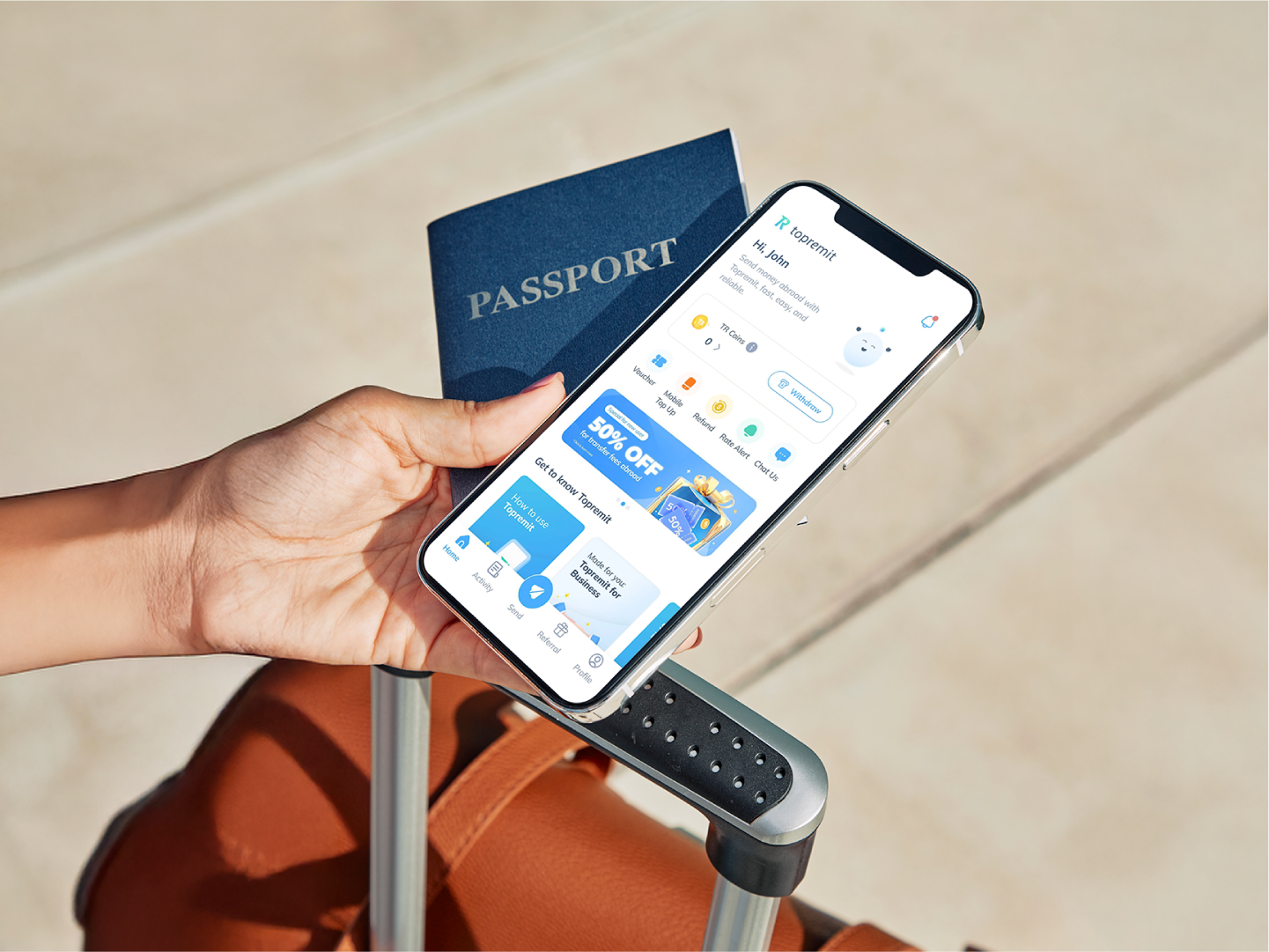
If you live in Indonesia and need to send money abroad, Topremit makes it fast and simple. You can send money to 90+ countries in 30+ currencies straight from your phone in just a few taps.
The process is simple and the cost is clear. You pay one flat fee with no hidden charges, and your transfer is fast and secure with a license by Bank Indonesia since 2009, so you can trust your money is in safe hands.
To make it even better, you can enjoy 50% OFF vouchers by signing up with the referral code ‘EXPATID26’. This voucher can be used for transactions to all countries via all services. Make sure to claim it before June 30, 2026.
So, why wait? Download Topremit now and start sending money abroad easier, cheaper, and faster!
References:
Izin Tinggal Keimigrasian. Kementerian Imigrasi dan Pemasyarakatan Republik Indonesia. Imigrasi.go.id. Accessed on 22-01-2026.
Moving to Indonesia: A Guide for Expats and Digital Nomads. Deel.com. Accessed on 22-01-2026.
Expat Guide to Moving and Living in Indonesia. William-russell.com. Accessed on 22-01-2026.