Expat Health Insurance in Indonesia: A Complete 2026 Guide


For expatriates, digital nomads, migrant workers, or anyone living outside their home country, understanding the local healthcare system is essential. Every country has its own medical regulations, insurance requirements, and healthcare standards, and Indonesia is no exception.
If you are planning to live or work in Indonesia, securing the right expat health insurance in Indonesia should be one of your top priorities. The healthcare system in Indonesia combines public and private services, with the level of access, cost, and quality may differ from what you are used to in your home country.
As an expatriate, it is important to understand how health insurance for expats in Indonesia works, including whether you qualify for BPJS Kesehatan, or whether private international health insurance in Indonesia would better suit your needs. Making an informed decision is crucial not only for administrative compliance but also for protecting yourself from unexpected medical expenses.
In this guide, we will explain everything you need to know about expat health insurance in Indonesia, including regulations, coverage options, costs, and how to choose the right plan for your stay.
Is Health Insurance Mandatory for Expats in Indonesia?
At first glance, living in Indonesia might seem simple. But as an expatriate, there are several important things you need to arrange, and health insurance is one of the most essential.
As we move into 2026, health insurance requirements and documentation are being monitored more closely. Having enough coverage is no longer just a formality. It is an important part of ensuring your stay in Indonesia runs smoothly.
Here are a few reasons why having health insurance is essential while living in Indonesia:
The Mandatory "6-Month Rule" (JKN/BPJS)
According to Undang-Undang Nomor 24 Tahun 2011 tentang Badan Penyelenggara Jaminan Sosial, any foreign national working or residing in Indonesia for at least six months is legally obligated to enroll in the National Health Insurance (JKN) managed by BPJS Kesehatan. Employers are mandated to register their foreign staff, and failure to do so can result in administrative sanctions or hurdles in renewing work permits (TKA).
Key Requirements for Various Types of Visas
If you haven't reached the 6-month mark, you aren't off the hook. Under Permenkumham No. 22 of 2023, proof of active health insurance is a non-negotiable prerequisite for nearly all visa applications. This applies to:
- Working Visas (C312): this helps prevent any gap in coverage during the early stage of employment or residence.
- Family Union Visas (C317): this ensures that each family member is protected throughout their stay.
- Golden Visas & Study Visas (C316): It shows that the applicant is financially prepared to handle healthcare costs while living in Indonesia.
- Short-stay/e-VoA: Without insurance, there is a risk of problems during immigration checks, including possible denial of entry.
“Direct Billing” Coverage
One important reason to have private health insurance in Indonesia is to avoid large upfront deposits at private hospitals because without a recognized insurance card, patients are often required to pay a substantial cash deposit before receiving treatment.
An Overview of Indonesia’s Healthcare System for Expatriates
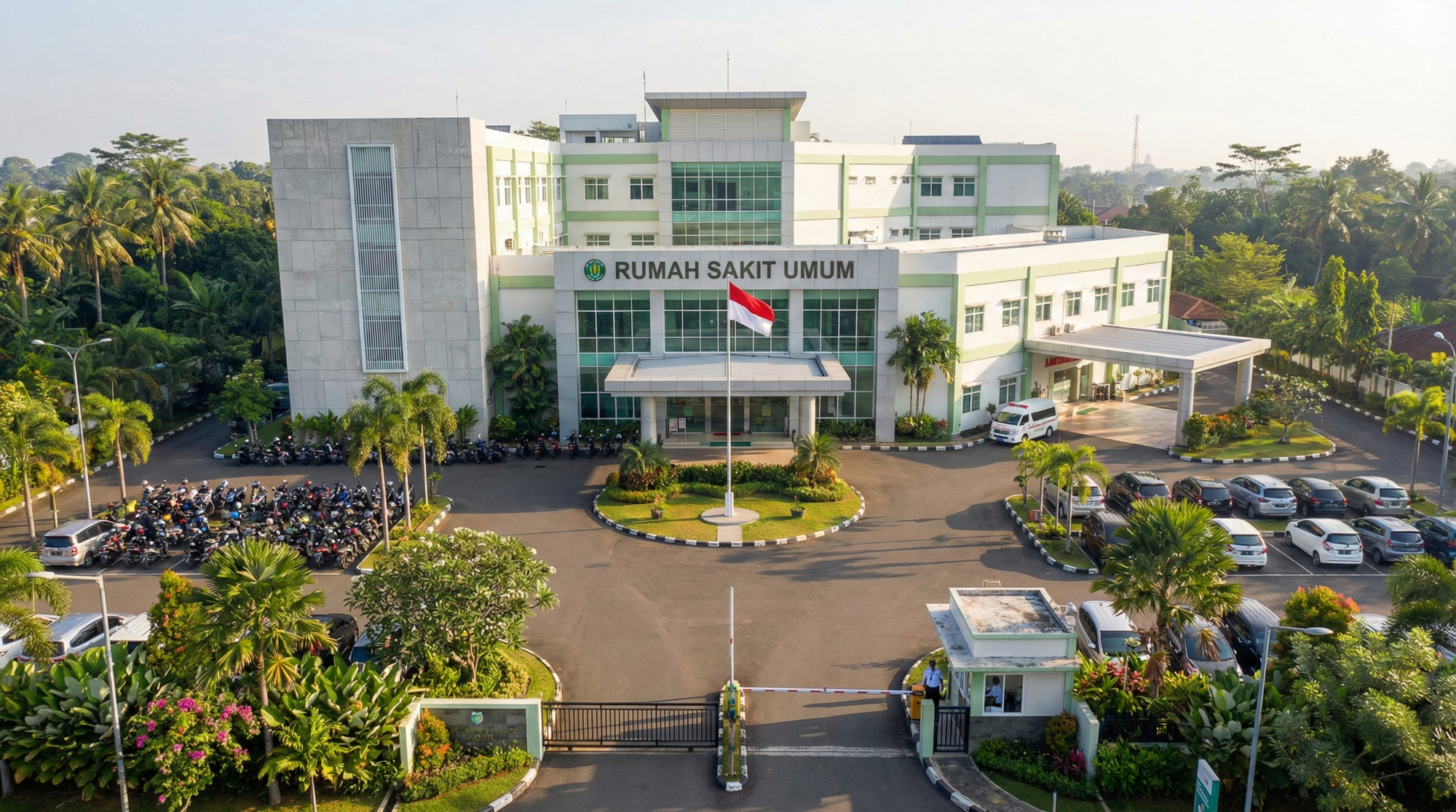
Indonesia’s healthcare system can feel unfamiliar at first, especially for expatriates coming from countries with different structures. In general, healthcare services in Indonesia are divided into two main types:
Public Healthcare in Indonesia
Indonesia’s national health insurance program, BPJS Kesehatan, was established to provide universal healthcare access. Expatriates who hold valid stay permits such as KITAS or KITAP and are formally employed are typically required to enroll through their employer. Contributions are calculated as a percentage of salary and shared between employee and employer.
BPJS operates under a tiered referral system. Participants must first visit a registered primary care facility before being referred to a hospital or specialist if necessary. Covered services include primary outpatient care, hospitalization, certain surgeries, maternity services, and treatment for chronic conditions.
While BPJS fulfills legal requirements and offers basic protection, limitations include longer waiting times for non-emergency procedures and varying facility standards depending on region and membership class. For expats with more complex healthcare expectations, additional coverage may be advisable.
Private Healthcare Services
Indonesia’s private healthcare sector continues to grow, with many hospitals offering modern facilities and internationally accredited standards. Compared to public facilities, private hospitals typically provide shorter waiting times, more streamlined administrative processes, and access to a wider range of specialists. Patients can usually consult specialists directly without a referral requirement.
However, these advantages come with higher medical costs. Without adequate insurance coverage, treatment expenses can become significant. For expatriates seeking comfort, flexibility, and broader access, private healthcare is often the preferred option.
Types of Indonesia’s Expat Health Insurance

There are three main types of health insurance coverage you can consider when deciding to arrange insurance in Indonesia, including the following:
BPJS Kesehatan (National Insurance)
BPJS Kesehatan covers primary care, hospitalization, certain surgical procedures, maternity services, and treatment for chronic conditions when medically indicated. Because it follows a referral-based system, participants must begin treatment at a registered primary facility before accessing specialist or hospital services.
While BPJS Kesehatan fulfills legal requirements and offers essential protection, waiting times for non-emergency procedures may vary depending on location and facility capacity.
Local Health Insurance
Local private insurance lets you access private hospital networks across Indonesia. Most plans offer cashless services at partner hospitals, reducing the need for large upfront payments.
These policies allow greater flexibility in choosing hospitals and specialists, although annual coverage limits are usually lower than international plans and typically apply only within Indonesia.
Local insurance may suit expatriates staying medium to long term who primarily require access to domestic private hospitals.
International Health Insurance
International health insurance is designed for expatriates living outside their home country and offers broader geographic coverage. Members may access private hospitals in Indonesia and abroad, depending on the selected coverage area. Many plans include emergency medical evacuation if adequate treatment is unavailable locally.
International insurance policies generally provide higher annual limits but come with higher premiums. For professionals, families, or individuals seeking wider protection, international insurance is often considered long-term financial security. Enrollment for private or international insurance is usually completed online and requires submission of medical declarations for underwriting.
Tips to Choose Expat Health Insurance in Indonesia
Choosing the right health insurance as an expatriate in Indonesia requires a structured and needs-based approach. Before purchasing a policy, there are several key factors to consider.
Assess Your Needs
Start by reviewing your visa type and whether you are required to enroll in BPJS Kesehatan. Consider how many family members need to be covered and align your policy choice with a realistic and sustainable premium budget.
Compare Plan Benefits Carefully
Before making a decision, review the policy details thoroughly. Pay attention to the annual coverage limit, benefits such as inpatient care, surgical procedures, and diagnostic tests. It is important not to choose a plan based solely on the lowest premium. Lower-cost plans often come with limited coverage or significant benefit restrictions.
Besides understanding the tips for choosing expat health insurance in Indonesia, expatriates should also consider other financial matters related to their healthcare coverage.
In practice, paying international insurance premiums, sending emergency medical funds abroad, or transferring money to family in their home country are common needs for many expatriates.
International Money Transfer Solutions for Expats in Indonesia

Living as an expatriate in Indonesia means managing cross-border financial needs on a regular basis. From paying international health insurance premiums and covering medical expenses abroad to sending money to family back home, all of these require a fast, secure and reliable transfer service.
Topremit provides a solution for sending money from Indonesia to 90+ countries with competitive exchange rates and transparent fees with no hidden costs. The entire process is online, convenient and designed to give you certainty before completing any transaction. And if you ever need help, responsive Customer Support is ready to assist
Even better, you can enjoy 50% OFF vouchers by signing up with the referral code ‘HEALTH26’. This voucher can be used for transactions to all countries via all services. Make sure to claim it before June 30, 2026.
So, why wait? Download Topremit now and enjoy fast, safe and transparent international transfers with Topremit!
References:
RUU BPJS. BPJS Ketenagarkerjaan. Accessed on 12-02-2026.
Permenkumham. BPK. Accessed on 12-02-2026.
Understanding mandatory healthcare and social security BPJS in Indonesia. Acclime Indonesia. Accessed on 12-02-2026.
Read more:
 topremit
 topremit